What Size Gabion Box for River Bank Stabilization?
Riverbank erosion is a serious challenge for waterways, infrastructure, agricultural land, and nearby communities. One of the most effective and environmentally friendly solutions for erosion control is the use of gabion box river protection systems. These wire mesh containers filled with stones create durable barriers that resist water flow, stabilize soil, and support natural vegetation growth.
However, selecting the correct gabion box size is critical to ensuring long-term performance. This guide explains how to choose the right gabion box dimensions for river bank stabilization projects and why working with a trusted supplier like Wanquan can improve project outcomes.
Understanding Gabion Box River Protection
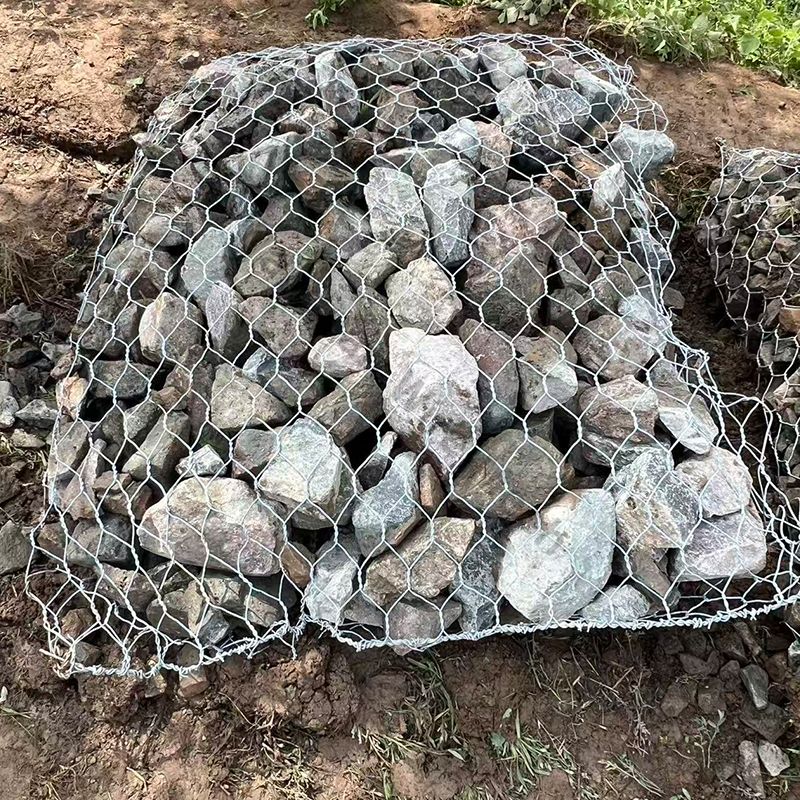
Gabion boxes are rectangular wire mesh baskets filled with rocks, crushed stone, or other durable materials. They are widely used in river engineering because they combine structural stability with flexibility.
Why Gabion Boxes Are Effective for Riverbanks
Gabion structures offer several advantages:
· Excellent erosion resistance
· High permeability that reduces hydrostatic pressure
· Adaptability to ground settlement
· Long service life
· Environmentally friendly design
· Support for vegetation growth
Unlike rigid concrete walls, gabion systems can adjust to minor ground movements without cracking, making them ideal for riverbank protection.
Factors That Determine Gabion Box Size
There is no universal gabion box size suitable for every riverbank. The appropriate dimensions depend on several engineering and environmental factors.
River Flow Velocity
Water speed significantly influences gabion design.
For slow-moving streams, smaller gabion boxes may provide sufficient protection. However, rivers with high flow velocities require larger and heavier structures to withstand hydraulic forces and prevent displacement.
Engineers often conduct hydraulic assessments to determine the required mass and dimensions.
Bank Height and Slope
The height and angle of the riverbank affect the overall stabilization strategy.
Steeper slopes generally require larger gabion units or multiple stacked layers. Taller banks may need terraced gabion walls that distribute loads more effectively while reducing erosion risk.
Soil Conditions
The underlying soil plays a crucial role in determining gabion size.
Loose or highly erodible soils may require wider base gabions to improve stability. In contrast, compact soils can often support more vertical installations with standard dimensions.
Flood Frequency
Areas prone to seasonal flooding need robust gabion systems capable of handling fluctuating water levels and increased hydraulic pressure.
Larger gabion boxes are commonly used in flood-prone zones to provide additional weight and resistance.
Common Gabion Box Sizes for River Bank Stabilization
Several standard sizes are commonly used in gabion box river protection projects.
Small Gabion Boxes
Typical dimensions:
· 1m × 1m × 1m
· 2m × 1m × 0.5m
These sizes are suitable for:
· Small streams
· Landscaping applications
· Light erosion control projects
They are easy to transport and install but may not provide sufficient protection for large rivers.
Medium Gabion Boxes
Typical dimensions:
· 2m × 1m × 1m
· 3m × 1m × 1m
These are among the most widely used sizes for riverbank stabilization because they offer a balance between structural strength and installation efficiency.
Applications include:
· Moderate river flows
· Channel protection
· Embankment stabilization
Large Gabion Boxes
Typical dimensions:
· 4m × 1m × 1m
· Customized heavy-duty units
Large gabion boxes are designed for:
· Major rivers
· High-flow environments
· Flood defense systems
· Infrastructure protection
These larger structures provide substantial mass and resistance against erosion and scouring.
Choosing the Right Gabion Height
The height of a gabion installation is just as important as its length and width.
Single-Layer Systems
For low banks and minor erosion problems, a single layer of gabion boxes may be sufficient.
These installations are cost-effective and relatively simple to construct.
Multi-Layer Systems
Higher riverbanks often require multiple gabion layers.
For example:
· 2–3 meter bank height may require two stacked layers
· 4–6 meter bank height may require engineered terraced structures
Proper engineering design ensures stability and prevents overturning or sliding.
Stone Size Requirements
The effectiveness of a gabion system depends not only on the basket size but also on the stone fill material.
Recommended Stone Sizes
Generally, stones should be:
· Larger than the mesh opening
· Durable and weather resistant
· Angular rather than rounded
Most river protection projects use stones ranging from 100 mm to 250 mm in diameter.
Proper stone selection improves interlocking strength and reduces the risk of material loss.
Why Work with Wanquan for Gabion Box River Protection
When selecting gabion systems for riverbank stabilization, product quality is essential.
Wanquan provides high-quality gabion box solutions designed for demanding hydraulic and environmental applications. Their products feature:
· High-strength galvanized wire
· PVC-coated options for enhanced corrosion resistance
· Consistent manufacturing quality
· Custom sizing capabilities
· Long service life in harsh environments
Whether the project involves small stream protection or large-scale river engineering, Wanquan offers reliable gabion systems that meet industry standards.
Conclusion
Choosing the correct size for a gabion box river protection system depends on multiple factors, including river flow velocity, bank height, soil conditions, and flood risk. While common sizes such as 2m × 1m × 1m are suitable for many applications, larger rivers often require larger and heavier gabion structures.
A properly designed gabion installation can provide decades of erosion control while supporting environmental sustainability. By partnering with experienced manufacturers like Wanquan, project owners can ensure that their riverbank stabilization systems deliver long-term performance, safety, and value.


评论
发表评论