Gabion Basket vs Traditional Concrete Walls Cost Comparison
When planning retaining walls, erosion control systems, or slope stabilization projects, one of the most important considerations is cost. Engineers, contractors, and project owners often compare the benefits of a gabion basket system with traditional concrete walls to determine the most cost-effective solution.
While both options provide structural support and erosion protection, their installation methods, maintenance requirements, environmental impact, and long-term costs can vary significantly. This article explores the key differences between gabion baskets and concrete walls, helping decision-makers choose the right solution for their projects.
Understanding Gabion Basket Systems
A gabion basket is a wire mesh container filled with stones, rocks, or recycled materials. These baskets are stacked and interconnected to create retaining walls, riverbank protection structures, and erosion control systems.
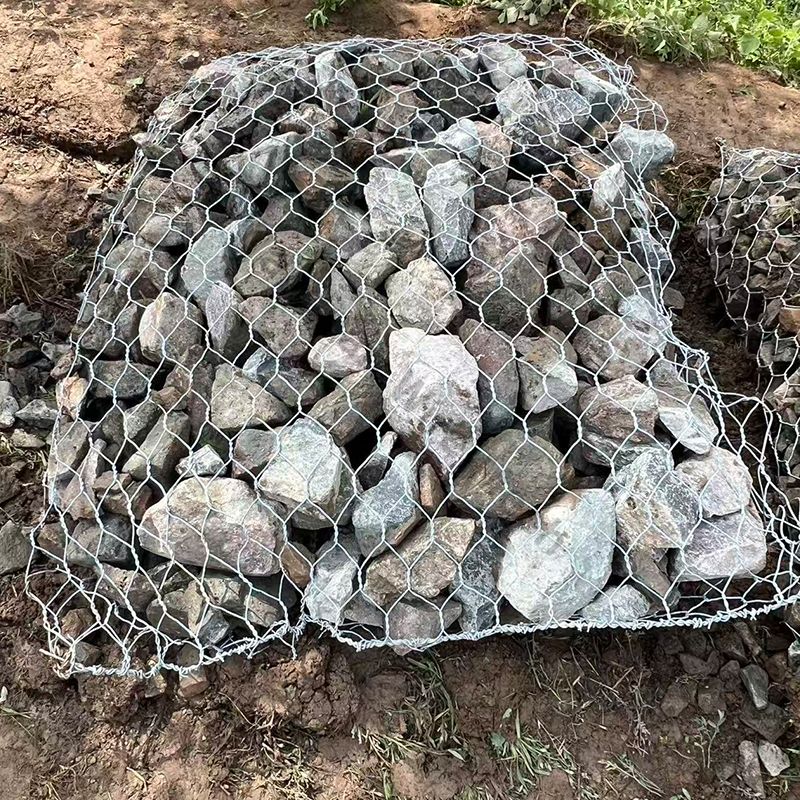
How Gabion Baskets Work
Gabion structures rely on their weight and flexibility to resist soil pressure and water forces. Unlike rigid concrete walls, gabion baskets can adapt to minor ground movement without cracking or losing structural integrity.
Common applications include:
· Riverbank protection
· Highway embankments
· Retaining walls
· Coastal protection
· Landscaping projects
Because they combine strength with permeability, gabion baskets have become a popular alternative to conventional concrete structures.
Initial Construction Cost Comparison
The first factor most project owners evaluate is the upfront construction cost.
Material Costs
Concrete retaining walls require several components:
· Cement
· Sand and aggregates
· Steel reinforcement
· Formwork materials
These materials can significantly increase project expenses, especially when steel prices rise.
In comparison, gabion basket systems mainly consist of:
· Wire mesh baskets
· Stone fill materials
Since stones are often locally available, transportation and material costs can be reduced substantially.
Labor Costs
Concrete walls generally require:
· Excavation
· Formwork installation
· Reinforcement placement
· Concrete pouring
· Curing time
These steps demand skilled labor and specialized equipment.
Gabion basket installation is typically simpler. Workers assemble the baskets, place them in position, and fill them with stone. This process often reduces labor requirements and shortens project timelines.
As a result, many projects experience lower installation costs when using gabion baskets.
Transportation and Equipment Expenses
Transportation costs can significantly affect overall project budgets.
Gabion Basket Advantages
Gabion baskets are shipped in a flat-packed form, minimizing transportation volume and reducing logistics expenses.
Once delivered to the site, local stone can often be used as fill material, further lowering transportation costs.
Concrete Wall Challenges
Concrete projects often require:
· Ready-mix concrete delivery
· Heavy machinery
· Pumping equipment
· Steel reinforcement transport
For remote or difficult-to-access locations, these requirements can dramatically increase project costs.
Long-Term Maintenance Costs
The total lifecycle cost of a retaining structure extends far beyond its initial installation.
Maintenance Requirements for Concrete Walls
Traditional concrete walls may develop:
· Cracks
· Surface deterioration
· Water damage
· Structural movement issues
Repairing these problems can be expensive and disruptive.
In areas with freeze-thaw cycles or poor drainage, maintenance costs may increase significantly over time.
Maintenance Benefits of Gabion Baskets
Gabion baskets are highly flexible and permeable.
Their design allows water to pass through naturally, reducing hydrostatic pressure behind the wall. This minimizes the risk of structural damage and often lowers long-term maintenance expenses.
When properly manufactured and installed, gabion structures can provide decades of reliable service with minimal upkeep.
Environmental Cost Considerations
Modern infrastructure projects increasingly evaluate environmental costs alongside financial expenses.
Concrete Production and Carbon Emissions
Concrete manufacturing is energy-intensive and contributes significantly to global carbon emissions.
Large concrete retaining walls may also disrupt natural drainage patterns and local ecosystems.
Sustainability of Gabion Basket Systems
Gabion baskets offer several environmental advantages:
· Reduced carbon footprint
· Natural appearance
· Improved drainage
· Support for vegetation growth
· Use of local stone materials
Over time, plants can grow within and around the structure, helping it blend into the surrounding landscape.
These environmental benefits often translate into additional value for environmentally sensitive projects.
Project Lifespan and Value
Cost-effectiveness should be evaluated over the entire lifespan of a structure.
Concrete Wall Lifespan
Well-designed concrete walls can last many decades. However, they may require periodic repairs, drainage improvements, or structural rehabilitation.
Gabion Basket Lifespan
High-quality galvanized or PVC-coated gabion baskets can also achieve long service lives. Their flexibility helps them accommodate settlement and ground movement without significant structural damage.
This adaptability often provides better value in areas prone to erosion, flooding, or unstable soil conditions.
When Concrete Walls May Be the Better Choice
Although gabion baskets are cost-effective in many situations, concrete walls still have advantages in certain applications.
Concrete may be preferred when:
· Space is limited
· Extremely high retaining heights are required
· Architectural finishes are important
· Urban environments demand a rigid structure
Each project should be evaluated based on engineering requirements and site conditions.
Why Choose Wanquan Gabion Basket Solutions
For contractors and engineers seeking durable and cost-efficient erosion control systems, Wanquan provides high-quality gabion basket products designed for long-term performance.
Wanquan offers:
· High-strength galvanized wire baskets
· PVC-coated options for enhanced corrosion resistance
· Custom sizes and specifications
· Consistent manufacturing quality
· Solutions suitable for retaining walls, river protection, and slope stabilization
By combining quality materials with reliable engineering performance, Wanquan helps clients reduce installation and maintenance costs while improving project sustainability.
Conclusion
When comparing a gabion basket system with traditional concrete walls, gabions often provide significant cost advantages in terms of materials, labor, transportation, maintenance, and environmental impact. Their flexibility, permeability, and ease of installation make them an attractive solution for many retaining wall and erosion control applications.
While concrete walls remain suitable for certain specialized projects, gabion baskets frequently deliver a lower total lifecycle cost and greater environmental benefits. By choosing premium products from Wanquan, project owners can achieve durable, cost-effective, and sustainable infrastructure solutions that perform reliably for years to come.

评论
发表评论