Gabion Installation Steps for Riverbank Reinforcement
Riverbank erosion is a growing concern for waterways, infrastructure, agricultural land, and environmental conservation projects. Strong water currents, seasonal flooding, and changing weather patterns can gradually weaken riverbanks, leading to land loss and structural damage. One of the most effective and environmentally friendly solutions is the use of gabion systems. This gabion installation guide explains the essential steps involved in installing gabion baskets for riverbank reinforcement and highlights best practices for achieving long-term stability.
By following proper installation procedures and using high-quality products from Wanquan, contractors and engineers can create durable erosion control systems that perform reliably for decades.
Why Use Gabions for Riverbank Reinforcement?
Gabions are wire mesh baskets filled with rocks or stone materials. When properly installed, they form strong, permeable structures that stabilize riverbanks while allowing water to flow naturally through the system.
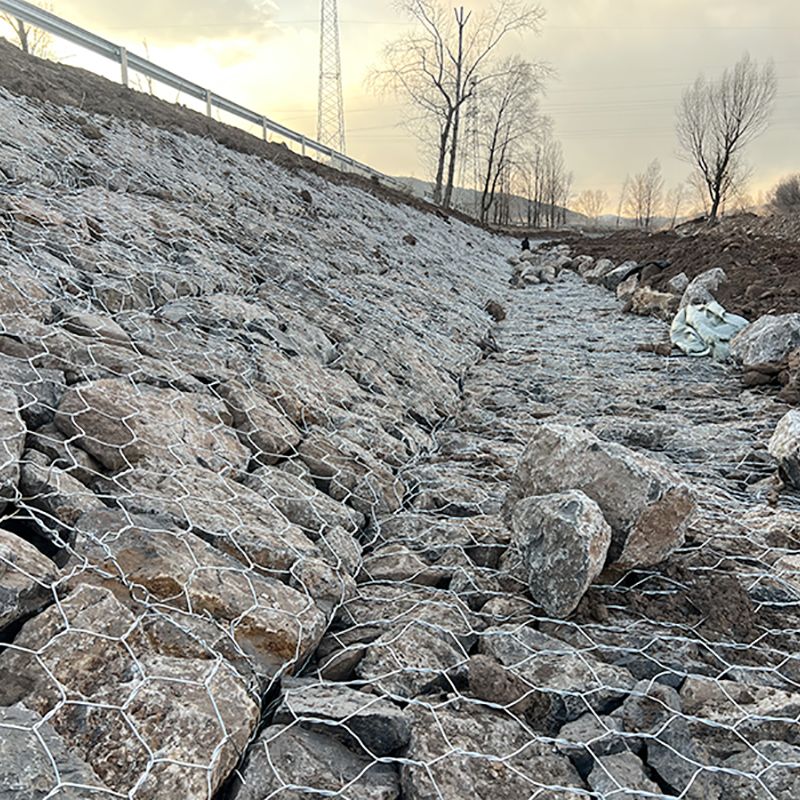
Key Benefits of Gabion Systems
Gabion structures offer several advantages:
· Excellent erosion resistance
· Natural drainage capabilities
· Flexibility under ground movement
· Long service life
· Low maintenance requirements
· Environmentally friendly appearance
Unlike rigid concrete walls, gabions can adapt to settlement and changing soil conditions without cracking.
Step 1: Conduct a Site Assessment
The first stage of any successful gabion project is a thorough site evaluation.
Analyze River Conditions
Engineers should assess:
· Water flow velocity
· Seasonal flood levels
· Bank slope angle
· Soil composition
· Existing erosion patterns
Understanding these factors helps determine the required gabion dimensions and installation design.
Determine Project Requirements
Project goals may include:
· Erosion control
· Riverbank stabilization
· Flood protection
· Slope reinforcement
· Infrastructure protection
Clear objectives ensure the gabion system is designed appropriately for the site.
Step 2: Prepare the Installation Area
Proper ground preparation is critical for structural stability.
Remove Unstable Materials
Clear the installation area of:
· Loose soil
· Vegetation
· Debris
· Organic matter
This creates a stable foundation for the gabion structure.
Grade and Level the Site
The base should be:
· Even
· Well-compacted
· Properly aligned with design specifications
A level foundation helps distribute loads evenly and prevents future settlement issues.
Install Geotextile Fabric
Many riverbank projects include a geotextile layer behind the gabions.
Benefits include:
· Preventing soil migration
· Improving drainage
· Reducing erosion behind the structure
This additional layer can significantly improve long-term performance.
Step 3: Assemble the Gabion Baskets
Once the site is prepared, the gabion units can be assembled.
Unfold and Position the Panels
Gabion baskets are typically delivered flat-packed for efficient transportation.
Installation crews should:
· Unfold the mesh panels
· Position side panels vertically
· Connect edges using lacing wire or fastening clips
Proper assembly ensures the baskets maintain their intended shape during filling.
Install Internal Diaphragms
Many gabion baskets include internal partitions.
These diaphragms:
· Prevent stone movement
· Improve structural stability
· Help maintain basket shape
They are especially important for larger gabion units.
Step 4: Place the Gabion Baskets
After assembly, the baskets are positioned according to the project design.
Align the First Row Carefully
The first layer serves as the foundation for the entire structure.
Ensure that baskets are:
· Properly aligned
· Securely connected
· Positioned according to engineering drawings
Any errors at this stage can affect the stability of upper layers.
Connect Adjacent Units
Neighboring baskets should be securely tied together.
This creates a unified structure that distributes loads more effectively and improves resistance to hydraulic forces.
Step 5: Fill the Gabions with Stone
Stone filling is one of the most important steps in the gabion installation guide.
Select Appropriate Fill Material
The stone should be:
· Durable
· Weather-resistant
· Angular for better interlocking
· Larger than the mesh openings
Common stone sizes range from 100 mm to 250 mm depending on the mesh dimensions.
Fill in Layers
To achieve uniform density:
1. Fill the basket gradually.
2. Place larger stones along visible faces.
3. Add smaller stones internally.
4. Compact material as needed.
Careful filling improves both appearance and structural performance.
Install Bracing Wires
As filling progresses, internal bracing wires should be installed.
These braces help:
· Prevent bulging
· Maintain basket shape
· Improve load distribution
This step is particularly important for taller structures.
Step 6: Close and Secure the Lid
After filling is complete, the gabion lid can be closed.
Fasten the Lid Securely
Use lacing wire, spirals, or approved fastening systems to secure the lid tightly to the basket body.
Proper closure prevents:
· Stone displacement
· Structural deformation
· Future maintenance issues
Every connection point should be inspected before proceeding.
Step 7: Install Additional Layers if Required
Many riverbank reinforcement projects require multiple gabion layers.
Stacked Gabion Structures
When stacking gabions:
· Align upper baskets directly above lower units
· Secure all layers together
· Follow engineered setback requirements if applicable
Terraced designs are often used on steep riverbanks to improve stability.
Step 8: Final Inspection and Site Restoration
The final stage ensures the installation meets quality standards.
Conduct a Comprehensive Inspection
Check for:
· Proper basket alignment
· Secure connections
· Correct stone placement
· Stable foundations
· Adequate drainage
Any issues should be corrected immediately.
Restore Surrounding Areas
Site restoration may include:
· Replanting vegetation
· Regrading disturbed areas
· Improving drainage channels
These measures help integrate the gabion structure into the surrounding environment.
Why Choose Wanquan for Gabion Projects?
The quality of the gabion system directly impacts project performance. Wanquan provides high-quality gabion solutions designed for demanding riverbank reinforcement applications.
Wanquan offers:
· Heavy galvanized wire baskets
· PVC-coated gabion options
· Customized sizes and specifications
· Strict quality control standards
· Long-lasting corrosion resistance
These features help contractors and engineers achieve reliable erosion control and long-term infrastructure protection.
Conclusion
Following a professional gabion installation guide is essential for successful riverbank reinforcement. From site preparation and basket assembly to stone filling and final inspection, every step contributes to the overall stability and durability of the structure.
When installed correctly, gabions provide effective erosion control, excellent drainage, and long service life. By using premium products from Wanquan and adhering to proper installation practices, project owners can create cost-effective and sustainable riverbank protection systems that withstand challenging environmental conditions for many years.


评论
发表评论