Calculating Gabion Box Quantity for Flood Control Projects
Flood control projects require careful planning, accurate material estimation, and reliable engineering solutions. Among the most effective methods for managing flood risks and preventing erosion is the use of gabion structures. These wire mesh baskets filled with stone provide excellent stability, permeability, and durability in riverbanks, drainage channels, and flood defense systems.
One of the most important planning steps is gabion box calculation. Determining the correct number of gabion boxes ensures project efficiency, minimizes material waste, and helps control construction costs. In this guide, we explain how to calculate gabion box quantities for flood control projects and why accurate estimation is essential for long-term success.
Why Accurate Gabion Box Calculation Matters
Gabion systems are often used in large-scale infrastructure projects where even small estimation errors can significantly affect budgets and construction schedules.
Benefits of Accurate Quantity Calculation
Proper calculations help:
· Reduce material waste
· Control project costs
· Improve construction efficiency
· Prevent material shortages
· Ensure structural stability
· Simplify procurement planning
For flood control projects, having the right quantity of gabions is critical because incomplete protection systems can compromise overall performance.
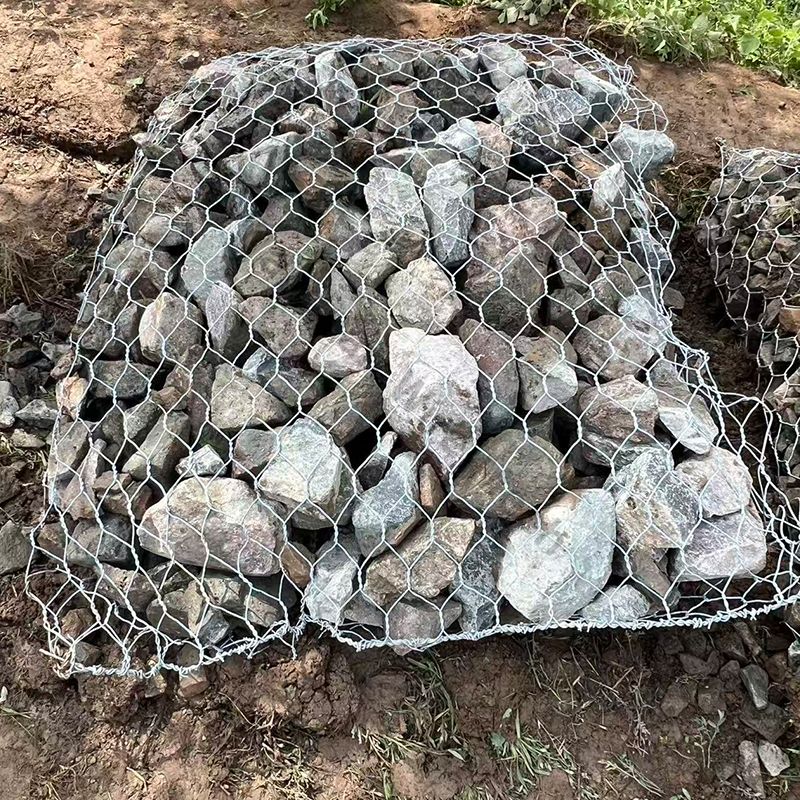
Understanding Standard Gabion Box Sizes
Before calculating quantities, it is important to understand the dimensions of standard gabion units.
Common Gabion Box Dimensions
Typical gabion basket sizes include:
· 2m × 1m × 1m
· 3m × 1m × 1m
· 4m × 1m × 1m
· 2m × 1m × 0.5m
· 2m × 1m × 0.3m
The choice depends on project requirements, site conditions, and engineering specifications.
Calculating Individual Gabion Volume
The volume of a gabion box is calculated using:
Volume = Length × Width × Height
For example:
A 2m × 1m × 1m gabion basket provides:
2 × 1 × 1 = 2 cubic meters
This volume serves as the basis for quantity calculations.
Step 1: Determine the Total Protection Area
The first step in gabion box calculation is identifying the area that requires flood protection.
Measure Project Dimensions
Key measurements include:
· Total structure length
· Required wall height
· Structure width
· Riverbank slope dimensions
For example, assume a flood protection wall requires:
· Length: 100 meters
· Height: 2 meters
· Width: 1 meter
The total volume needed is:
100 × 2 × 1 = 200 cubic meters
This represents the overall structure volume before selecting gabion units.
Step 2: Select the Gabion Box Size
The next step is choosing the most suitable gabion dimensions.
Example Using Standard Gabions
Suppose the project uses:
2m × 1m × 1m gabion boxes
Each basket provides:
2 cubic meters of volume
This makes calculations straightforward and simplifies installation.
Factors Influencing Size Selection
Engineers typically consider:
· Water flow velocity
· Soil conditions
· Structural load requirements
· Transportation logistics
· Installation efficiency
Larger baskets may reduce installation time, while smaller units can provide greater flexibility in complex layouts.
Step 3: Calculate the Number of Gabion Boxes
Once total project volume and basket volume are known, quantity estimation becomes simple.
Basic Formula
Number of Gabions = Total Structure Volume ÷ Single Gabion Volume
Using the previous example:
Total volume = 200 cubic meters
Single gabion volume = 2 cubic meters
Calculation:
200 ÷ 2 = 100 gabion boxes
Therefore, the project requires approximately 100 standard gabion baskets.
Step 4: Account for Layered Structures
Flood control systems often involve multiple gabion layers.
Multi-Layer Wall Example
Suppose a structure is designed with:
· Bottom layer: 50 gabions
· Upper layer: 40 gabions
Total requirement:
50 + 40 = 90 gabion boxes
Terraced designs are common in riverbank reinforcement because they improve stability and reduce pressure on the structure.
Consider Setback Design
Some flood protection walls use stepped configurations.
In these cases, each layer may contain fewer gabions than the layer below. Engineers must calculate each level separately before combining the totals.
Step 5: Include Material Contingency
Construction projects often require a small reserve of materials.
Recommended Additional Quantity
Many contractors add:
· 3% to 10% extra gabions
This allowance covers:
· Site adjustments
· Unexpected design changes
· Transportation damage
· Installation losses
For a project requiring 100 gabions:
100 × 1.05 = 105 gabion boxes
Ordering a contingency quantity helps avoid costly project delays.
Estimating Stone Fill Requirements
Gabion box calculation also includes determining stone fill volume.
Stone Volume Calculation
Since gabion baskets are filled with stone, the total stone requirement generally matches the total gabion volume.
Using the previous example:
100 gabions × 2 m³ each = 200 m³ of stone
However, stone density and void spaces may slightly affect actual material quantities.
Typical Stone Density
Most gabion projects use stone with a density of:
1.6 to 1.8 tons per cubic meter
For 200 m³:
200 × 1.7 = 340 tons of stone
Accurate stone estimation helps improve procurement and budgeting.
Common Mistakes in Gabion Box Calculation
Several errors can lead to inaccurate quantity estimates.
Ignoring Structural Geometry
Riverbanks often have irregular shapes. Estimating based on simple rectangular measurements may underestimate requirements.
Forgetting Layer Reductions
Stepped walls require separate calculations for each layer.
Excluding Contingency Materials
Failing to include additional units can result in costly delays during construction.
Careful planning helps avoid these issues.
Why Choose Wanquan for Flood Control Gabions?
Successful flood protection projects depend on both accurate calculations and high-quality materials. Wanquan provides premium gabion solutions designed for demanding hydraulic and erosion control applications.
Wanquan offers:
· Heavy galvanized gabion baskets
· PVC-coated corrosion-resistant options
· Custom basket sizes
· Strict quality control standards
· Reliable solutions for flood defense and riverbank stabilization
These products help contractors achieve long-lasting performance while simplifying installation and maintenance.
Conclusion
Accurate gabion box calculation is essential for the success of any flood control project. By determining the total structure volume, selecting the appropriate basket size, calculating layer requirements, and including contingency allowances, project managers can accurately estimate the number of gabion boxes required.
Proper planning reduces costs, prevents delays, and ensures effective flood protection. Combined with high-quality gabion products from Wanquan, accurate quantity calculations help create durable, cost-effective, and environmentally friendly flood control systems that perform reliably for decades.


评论
发表评论